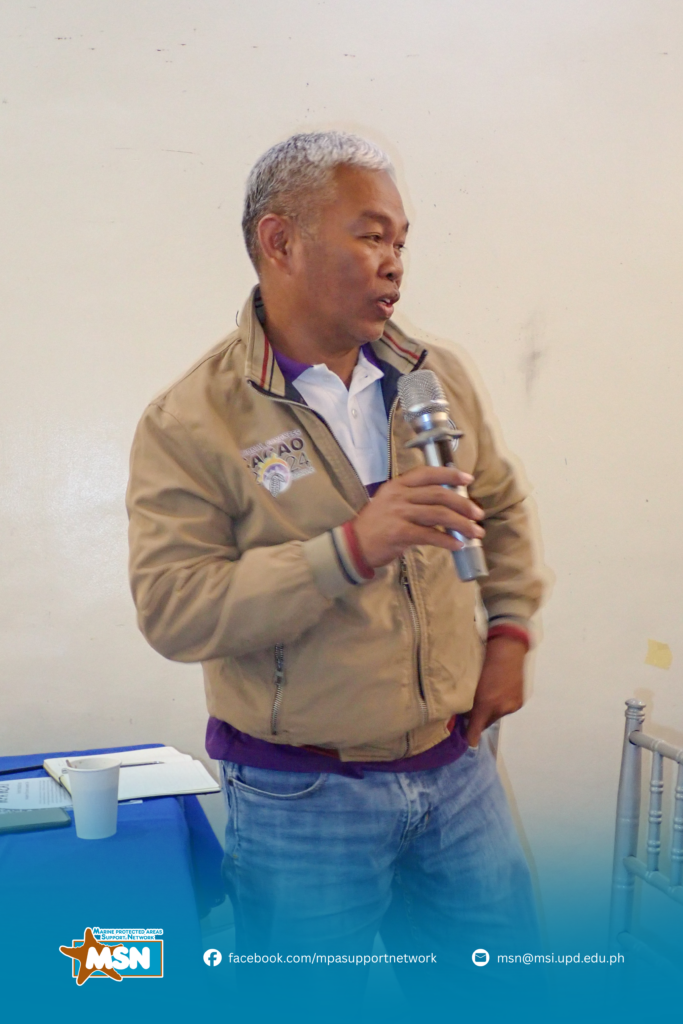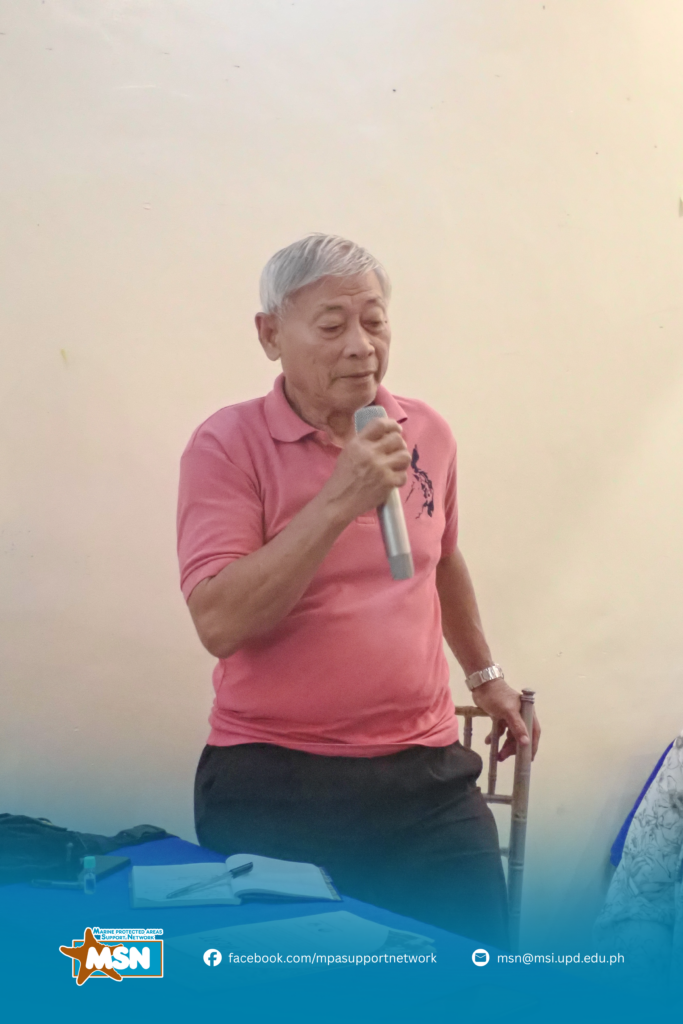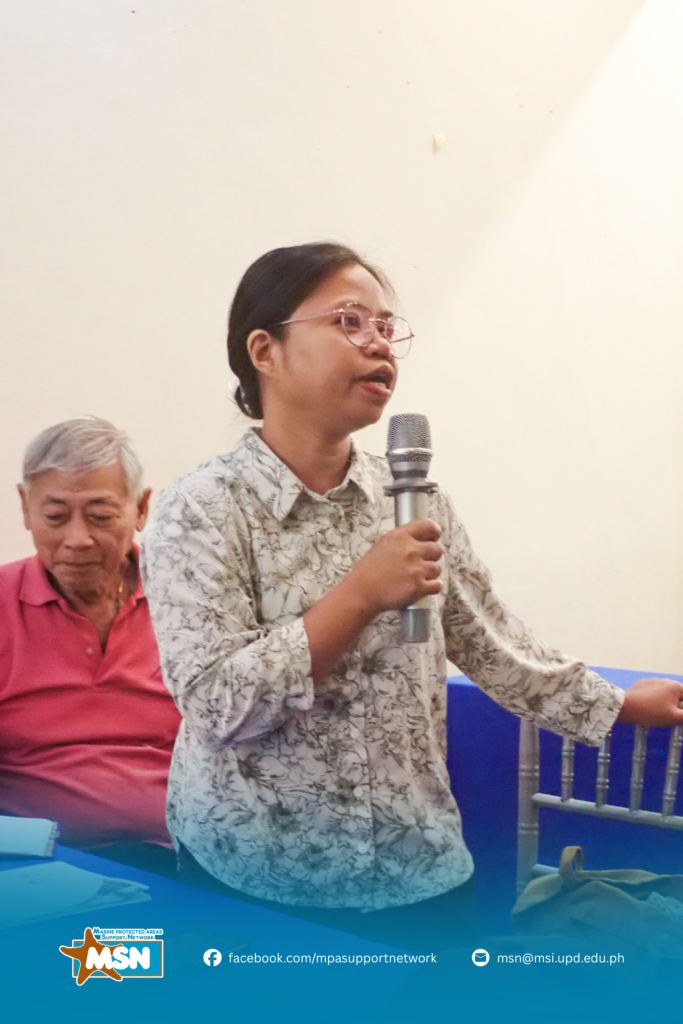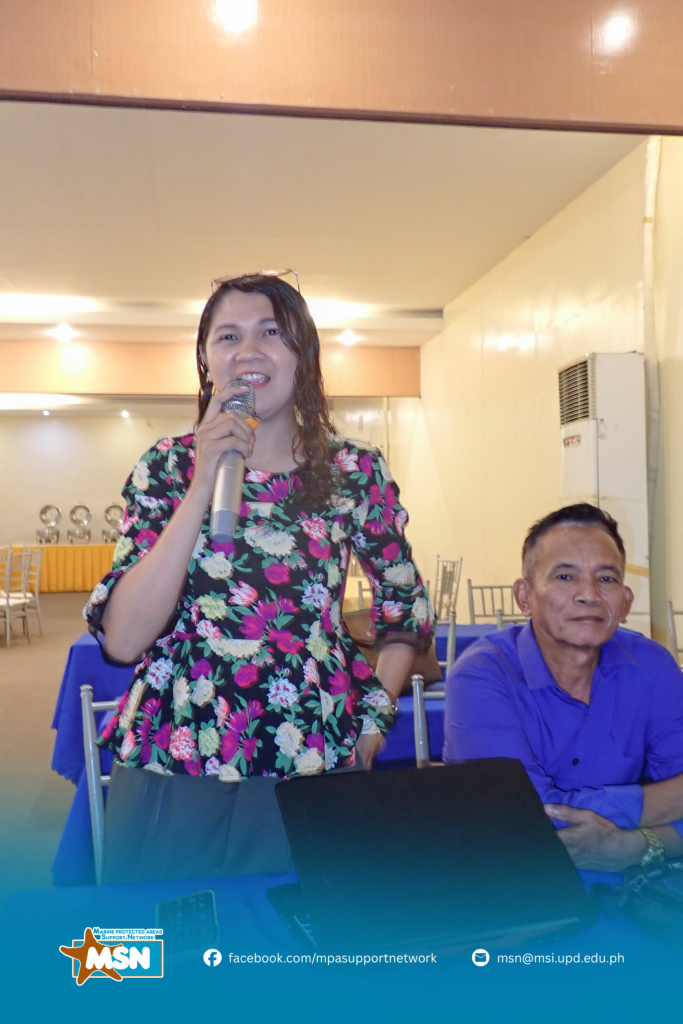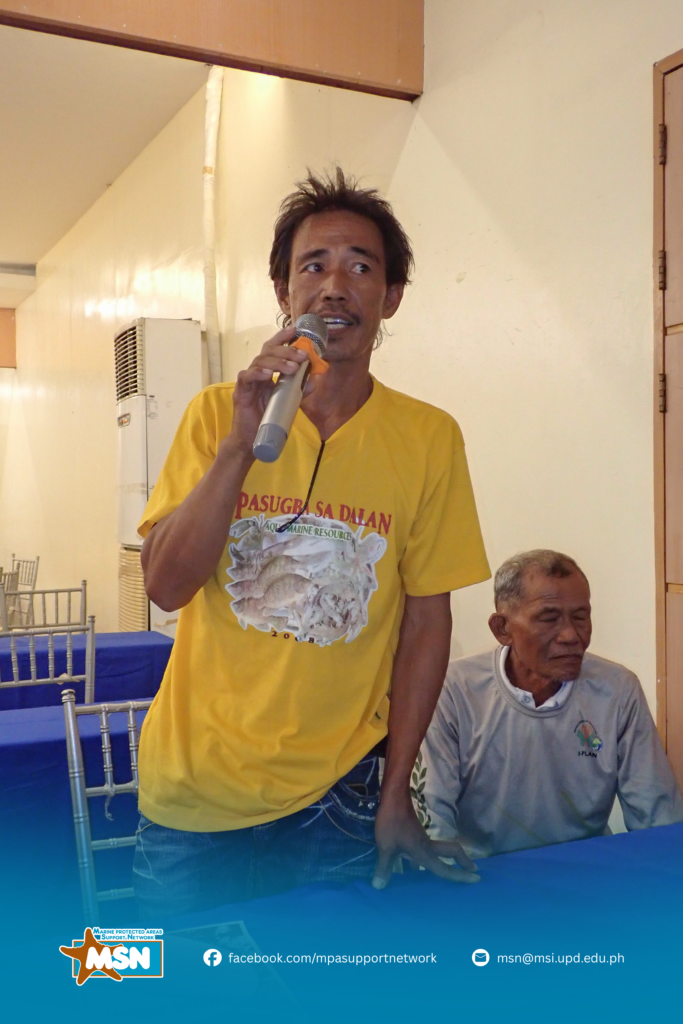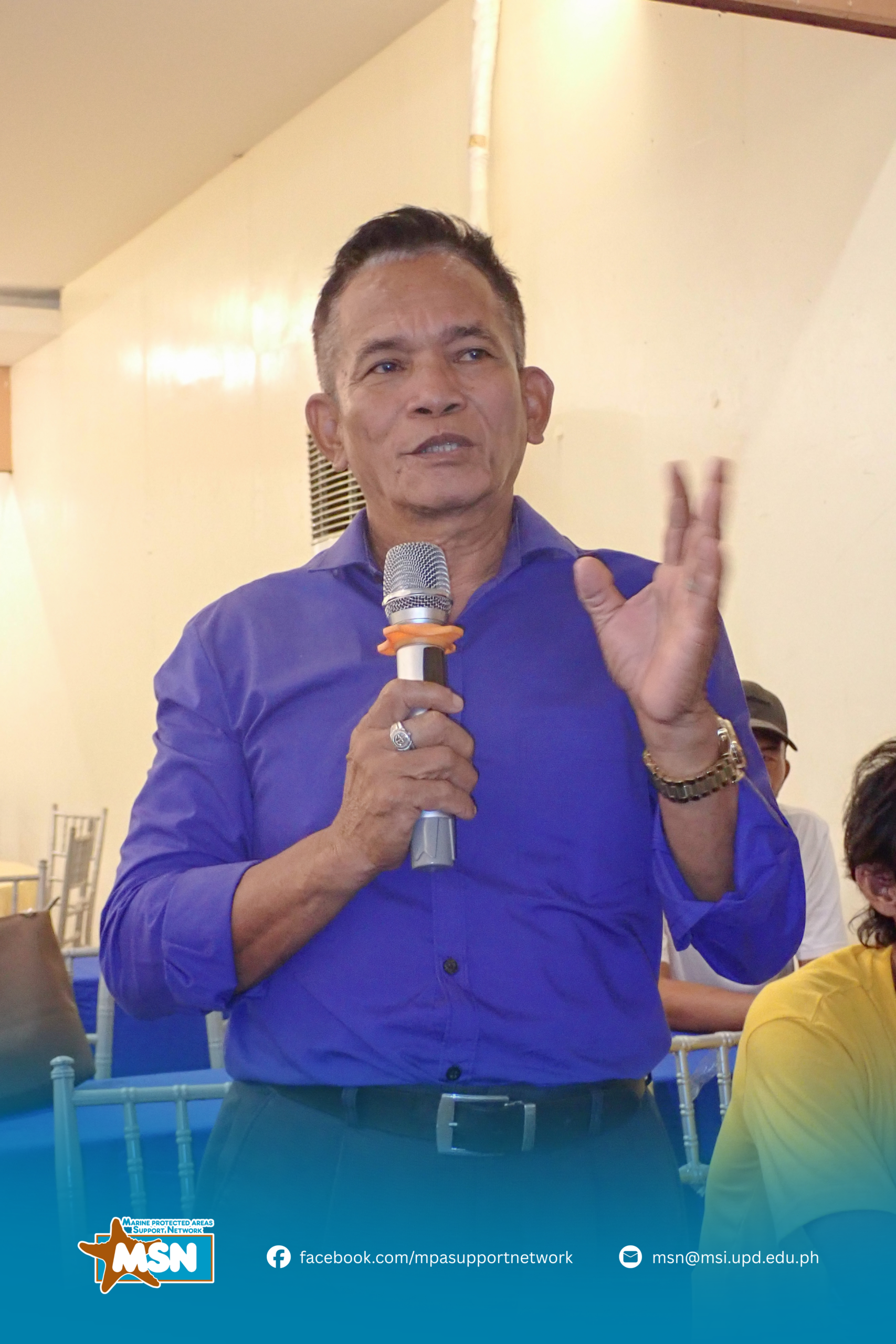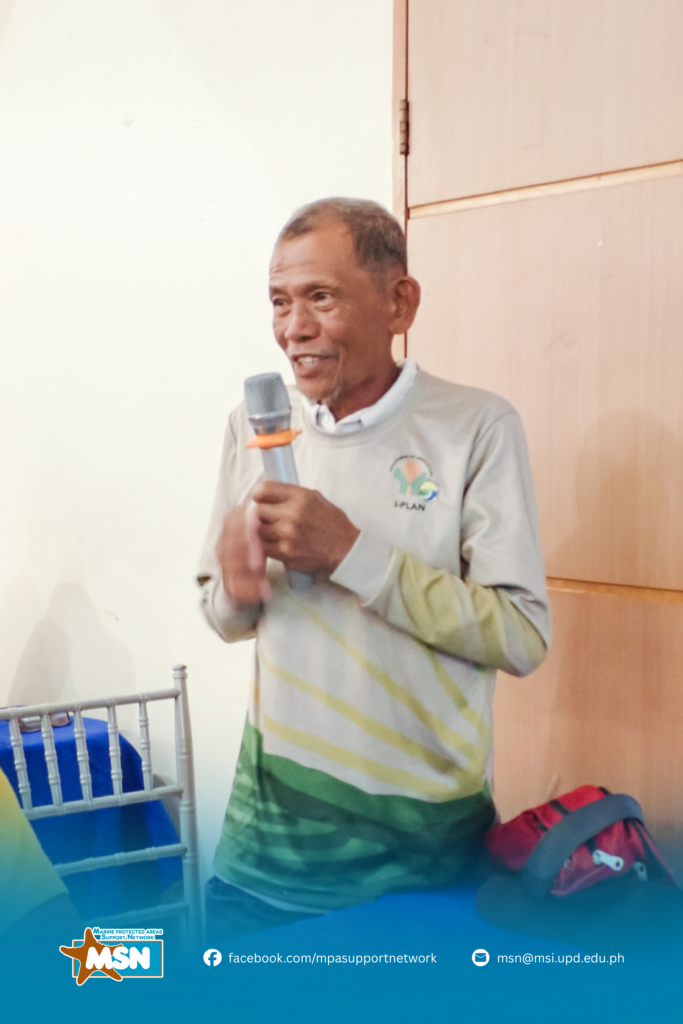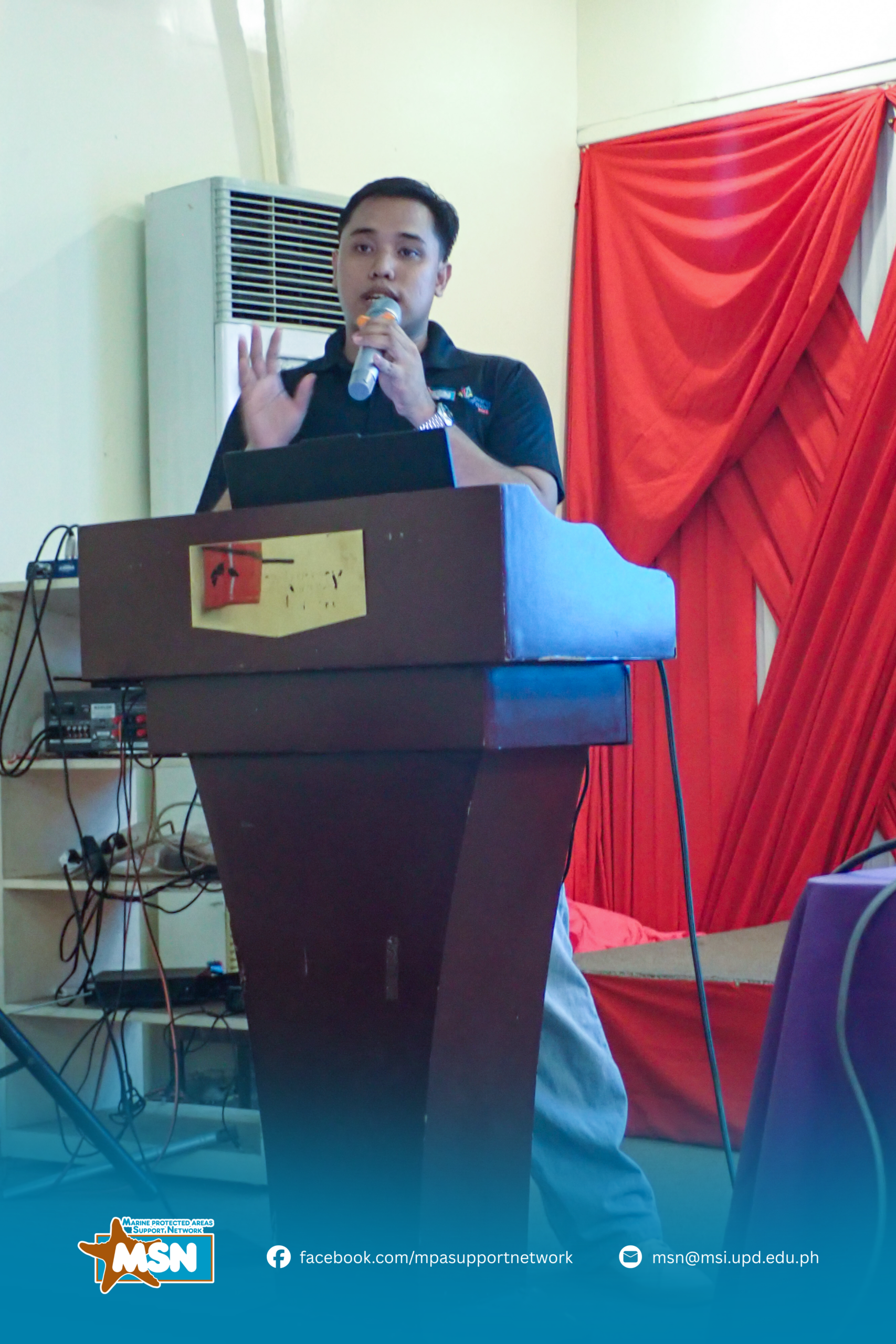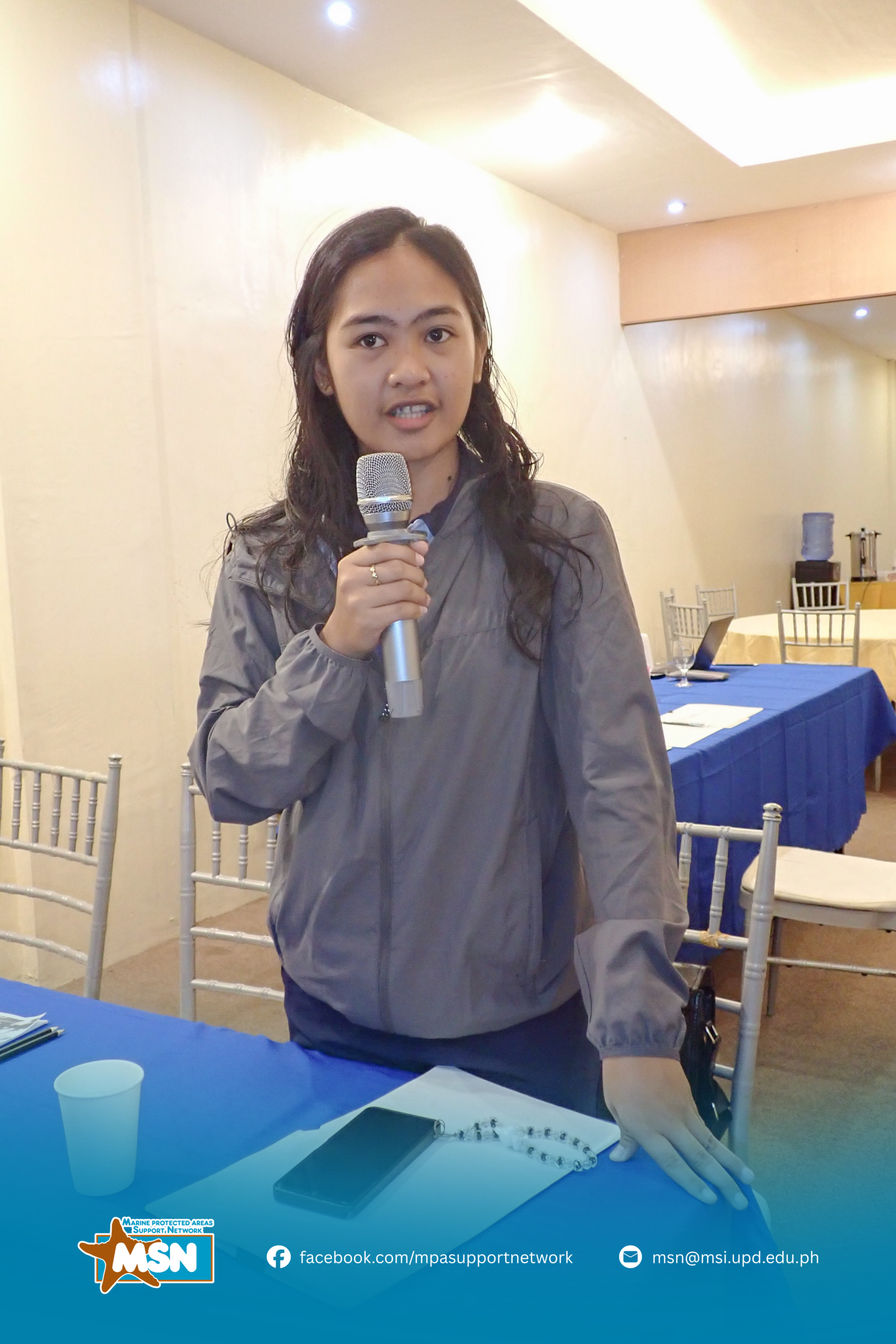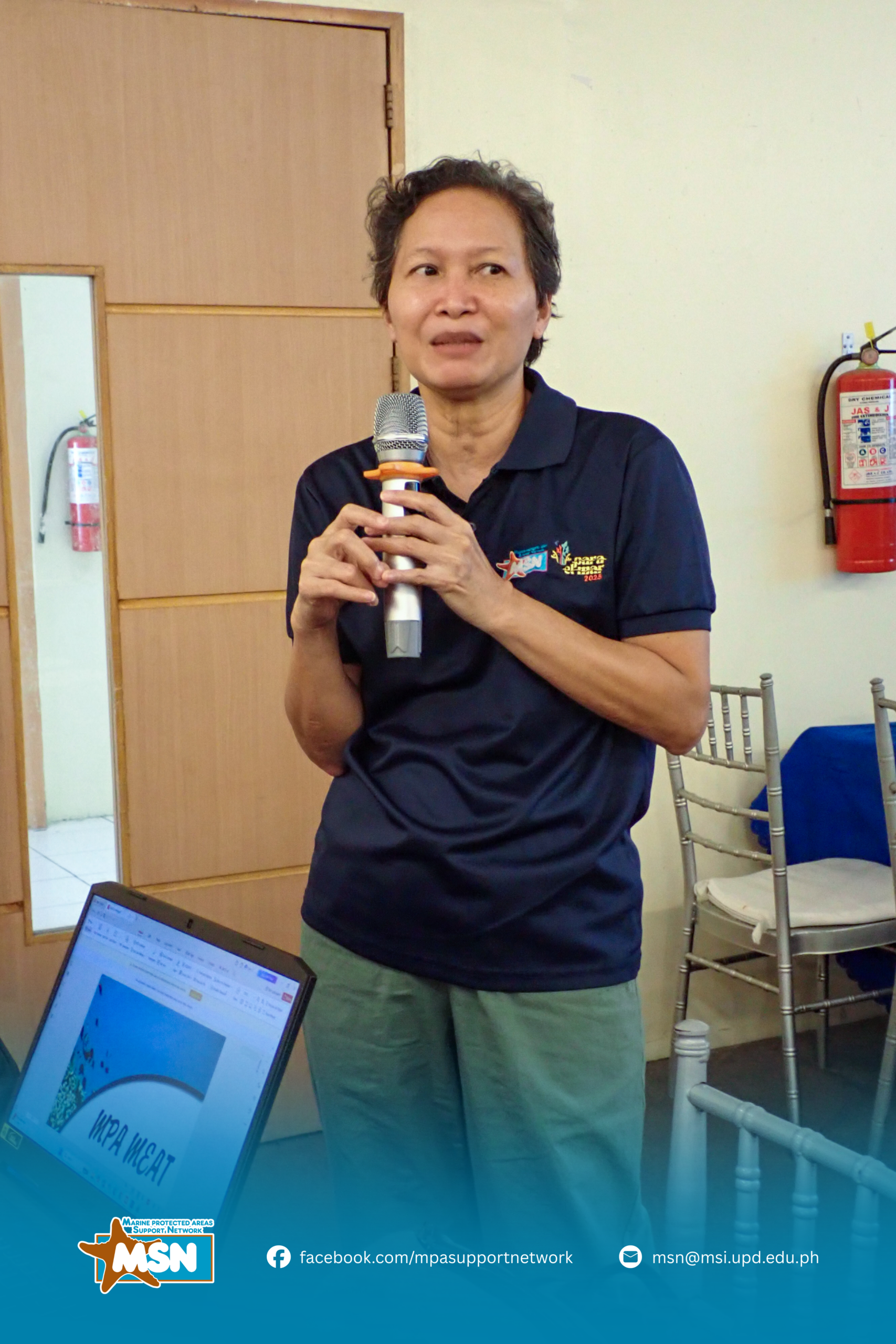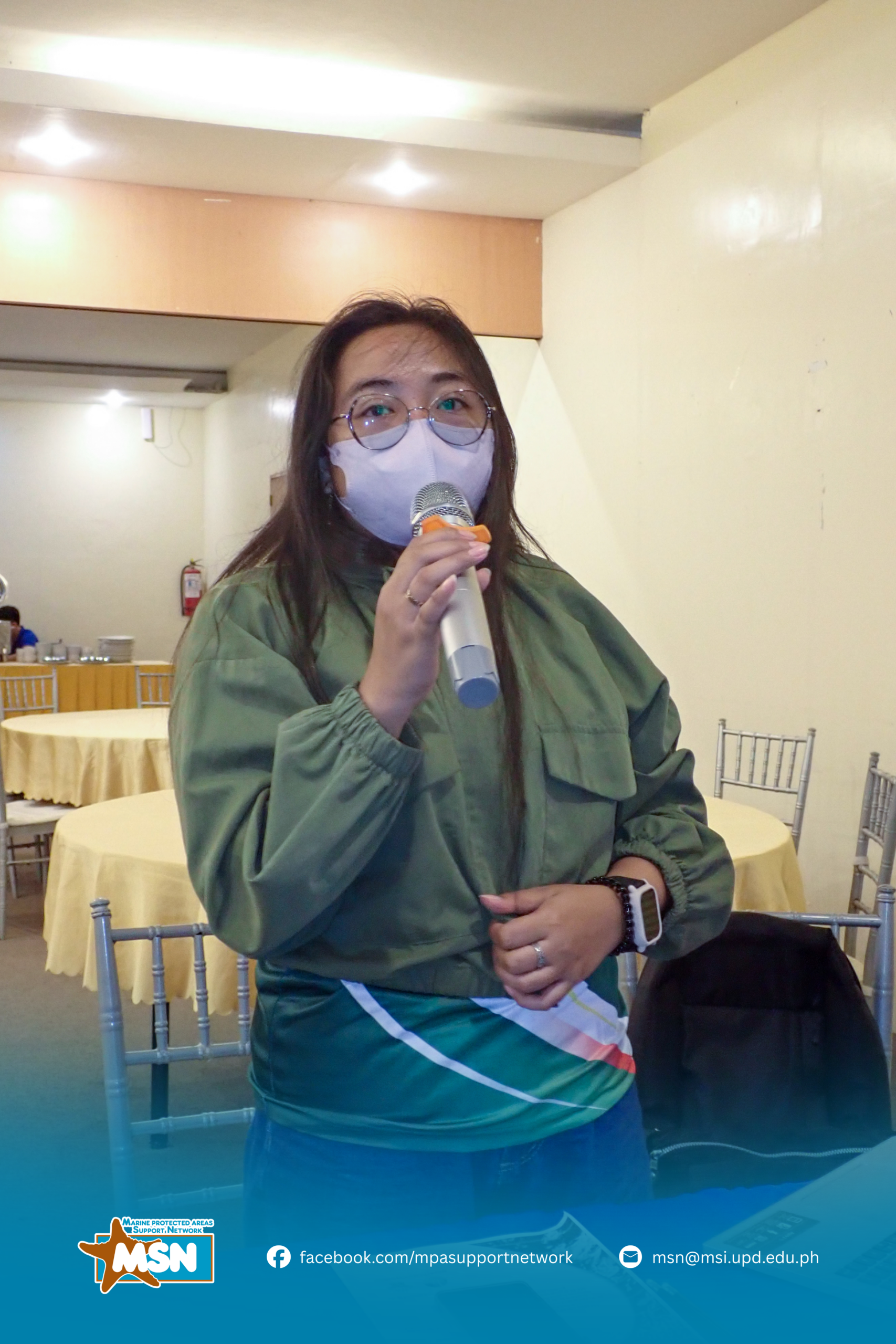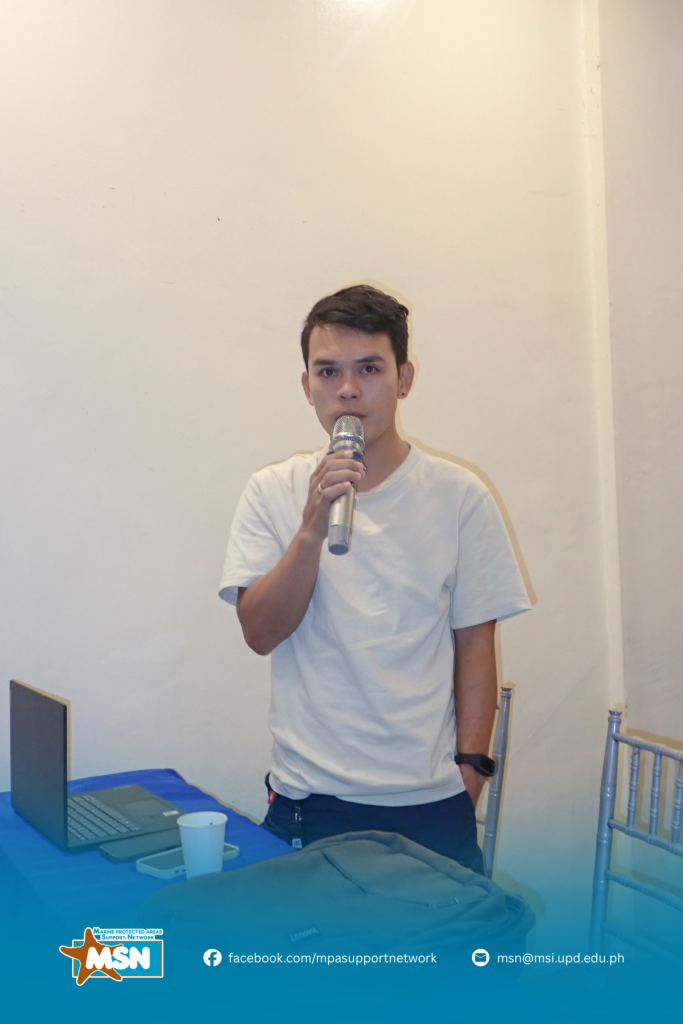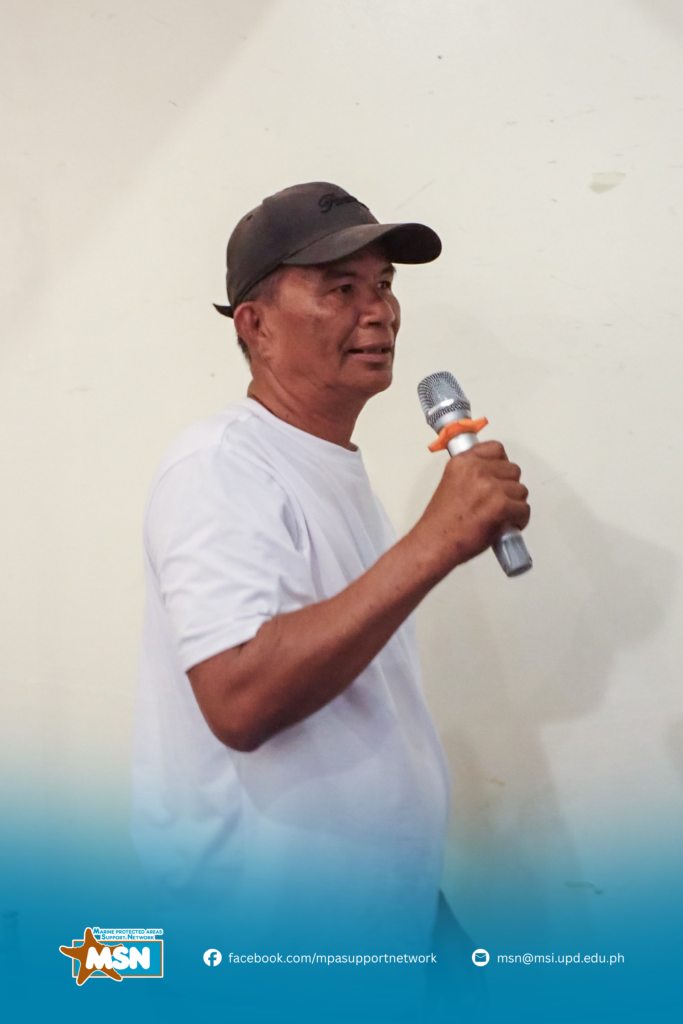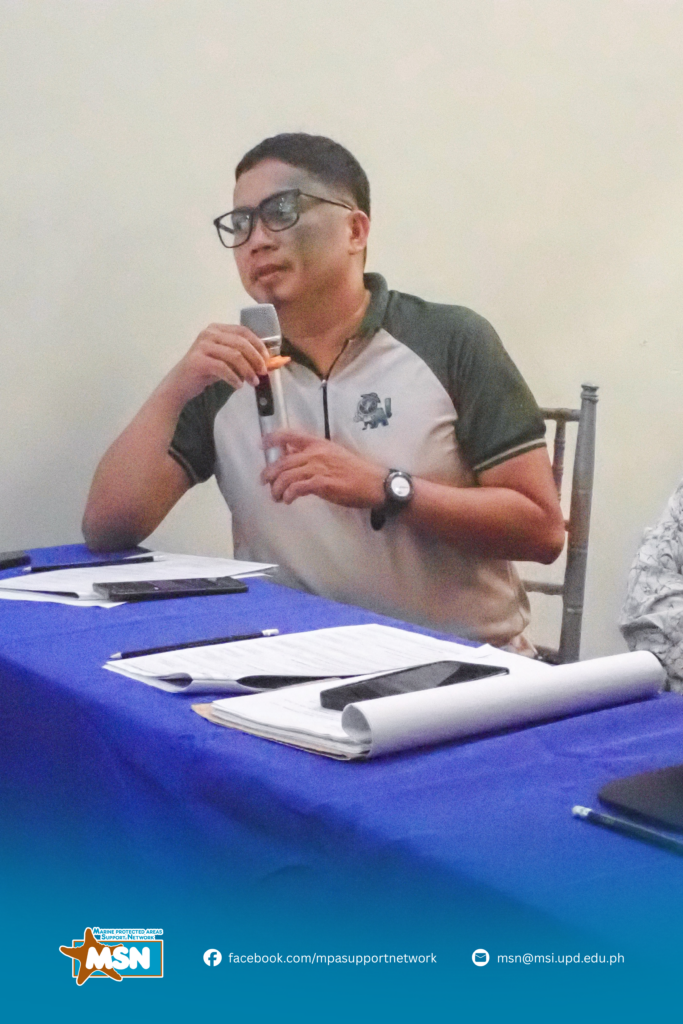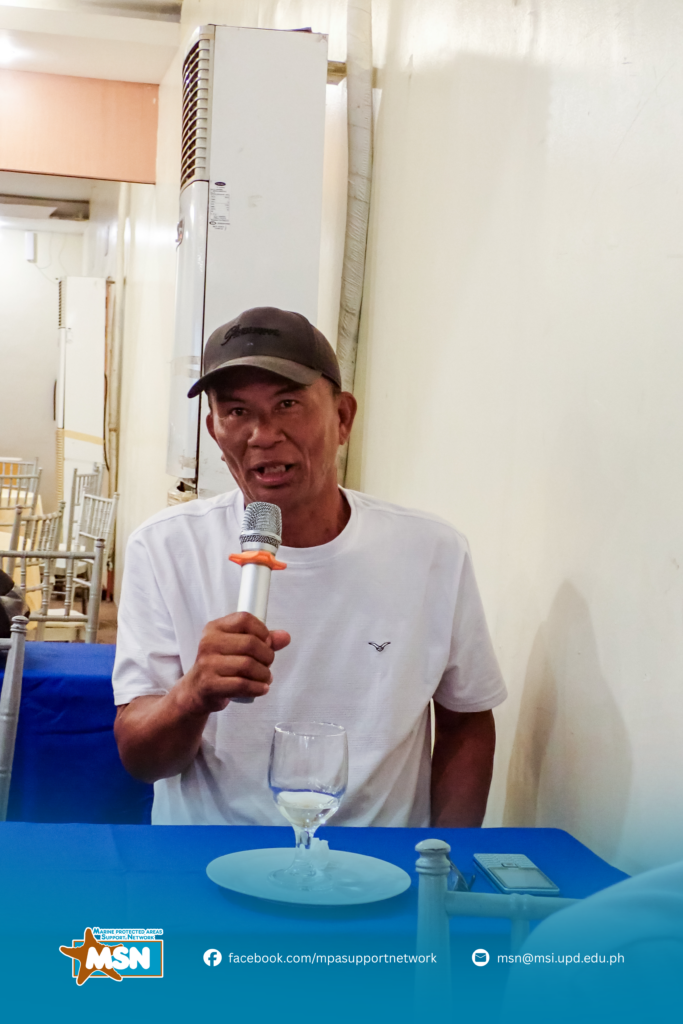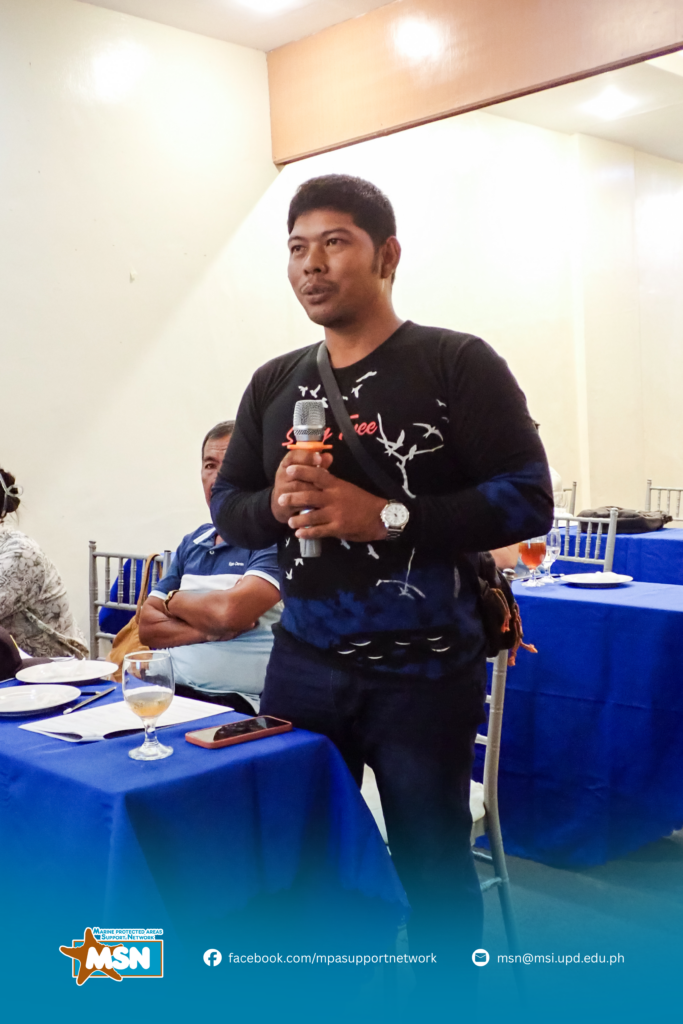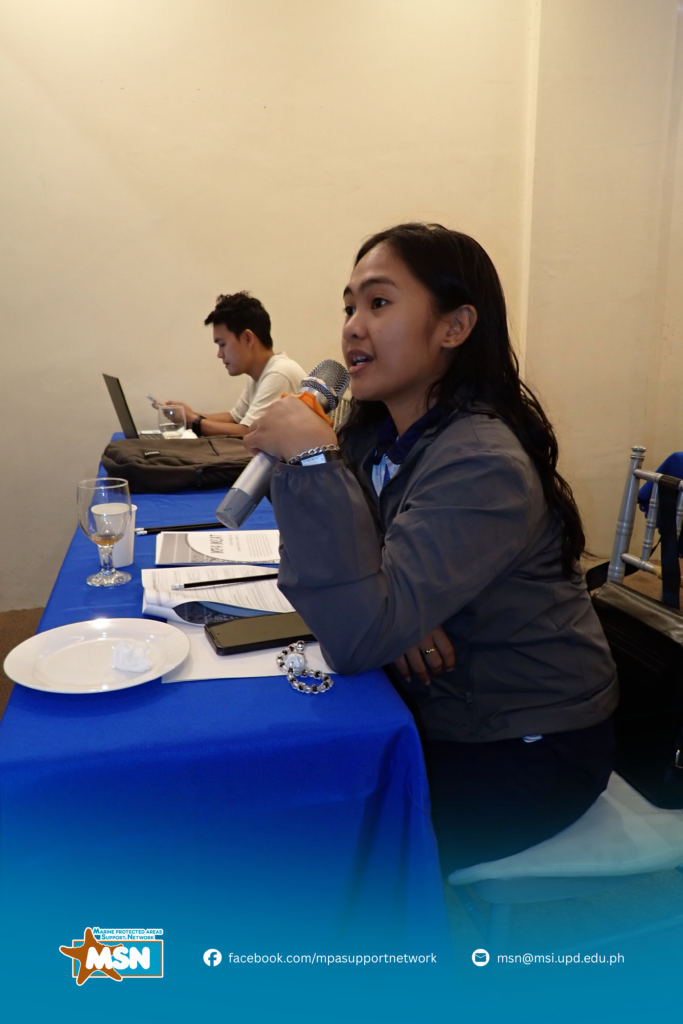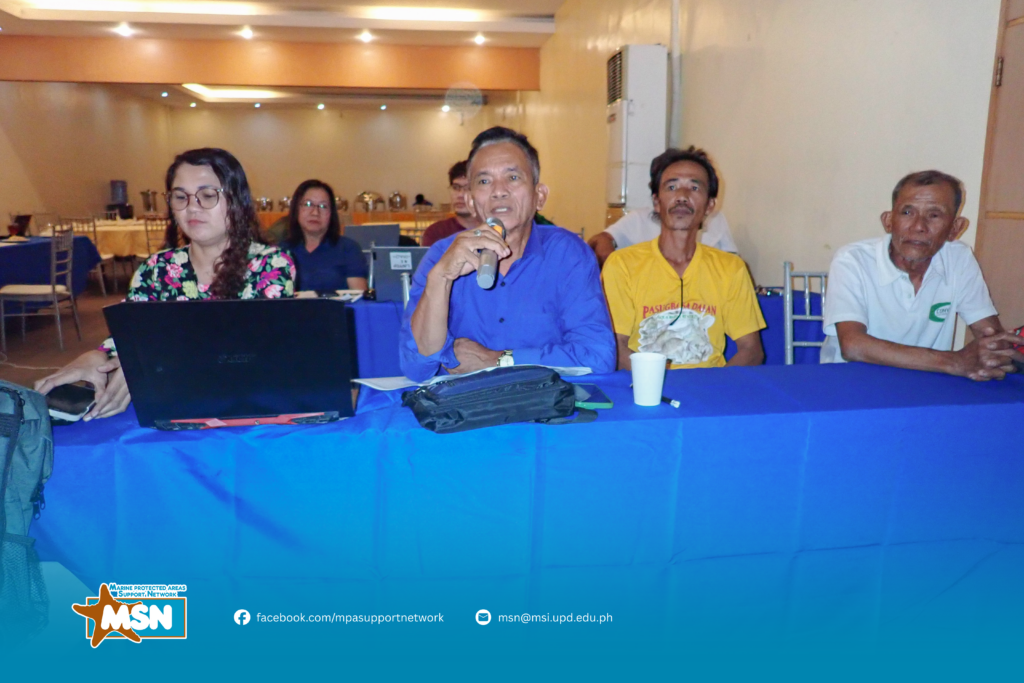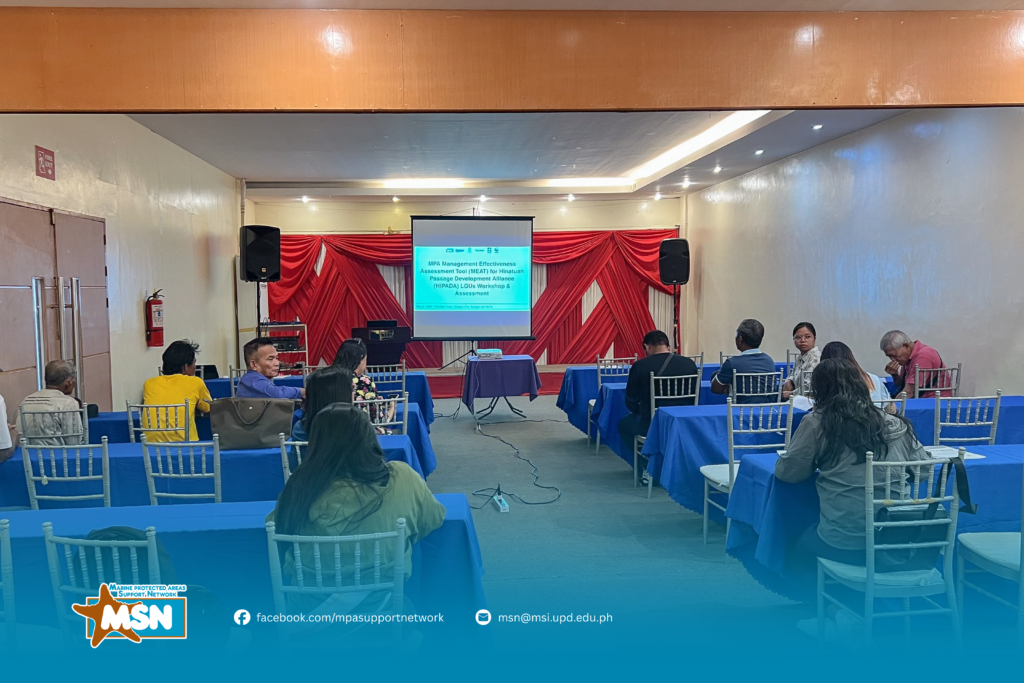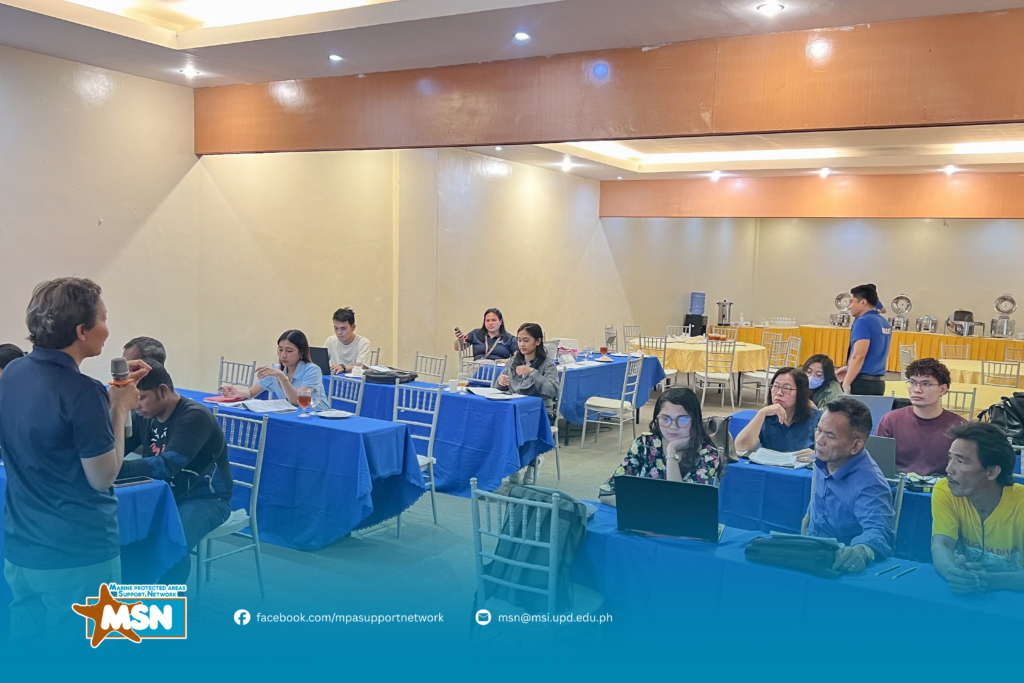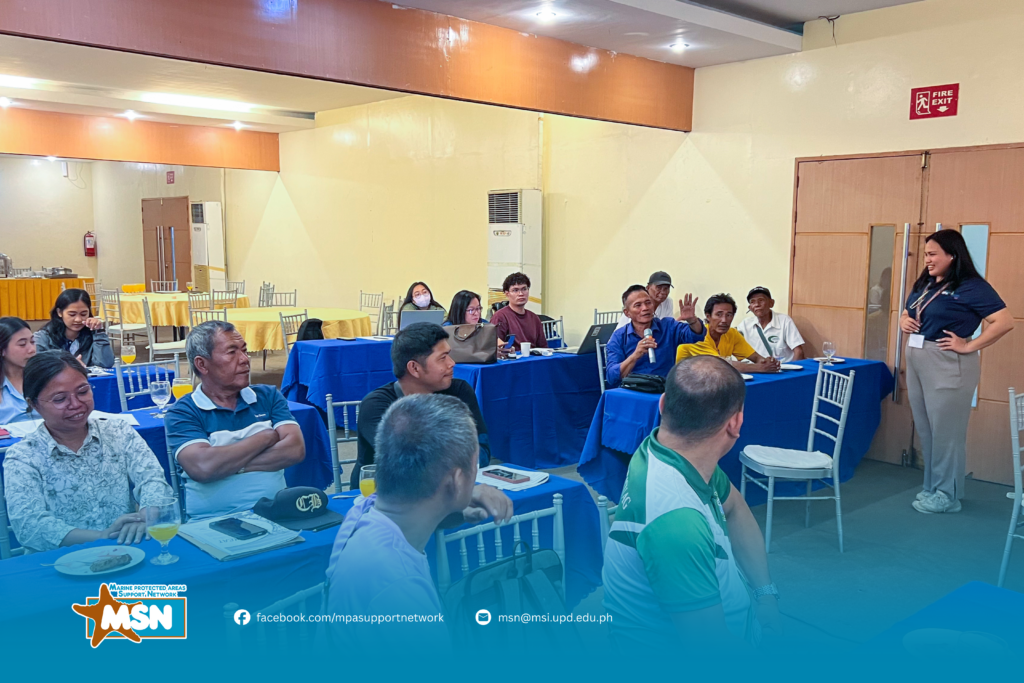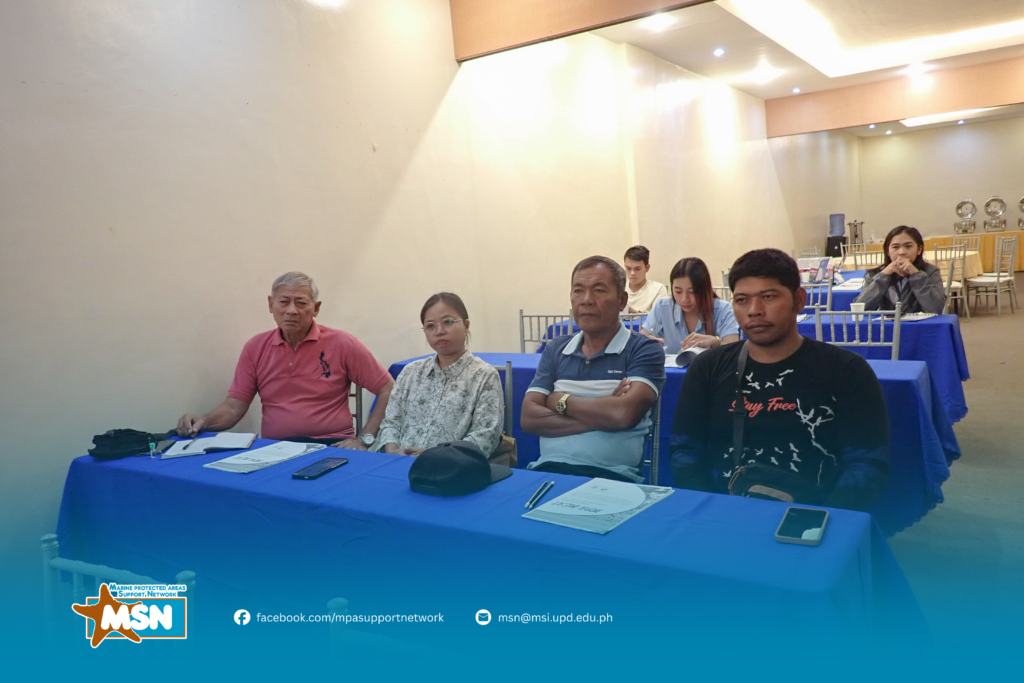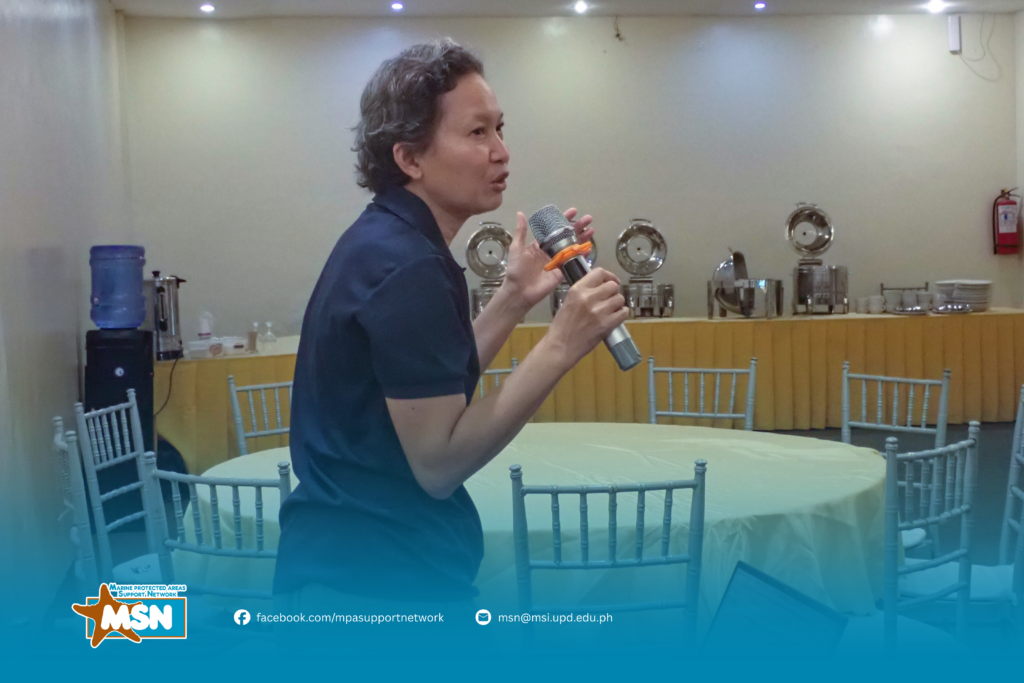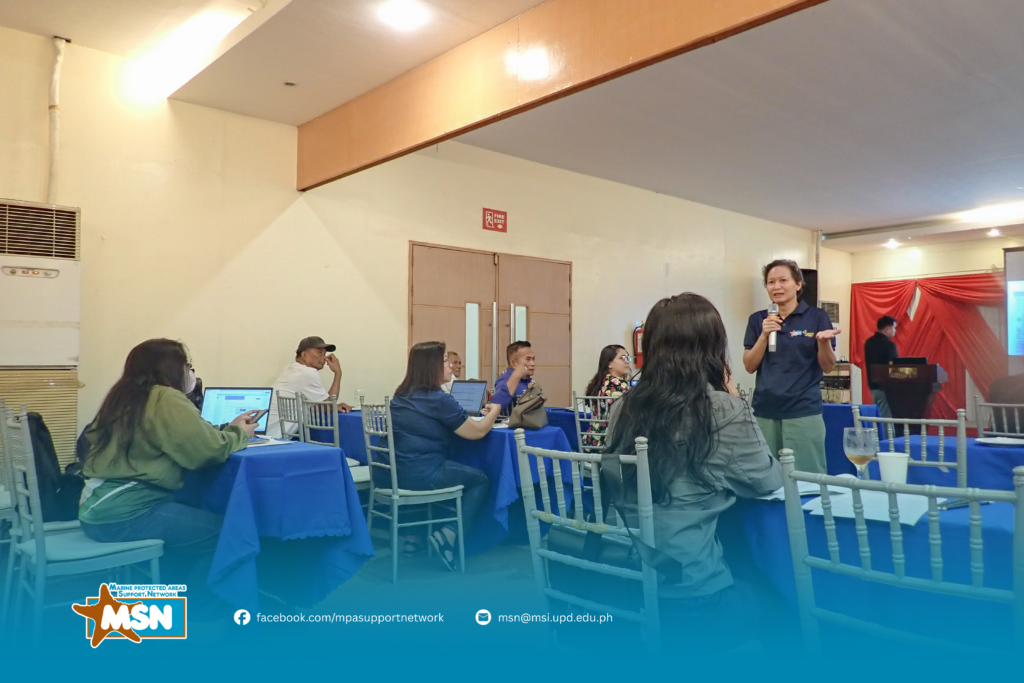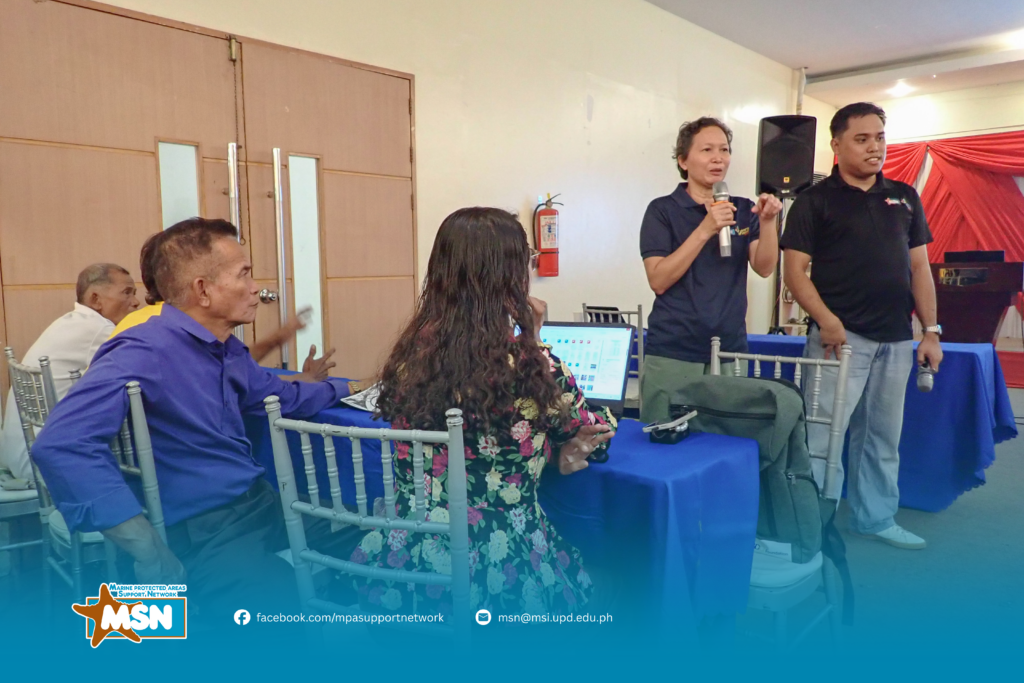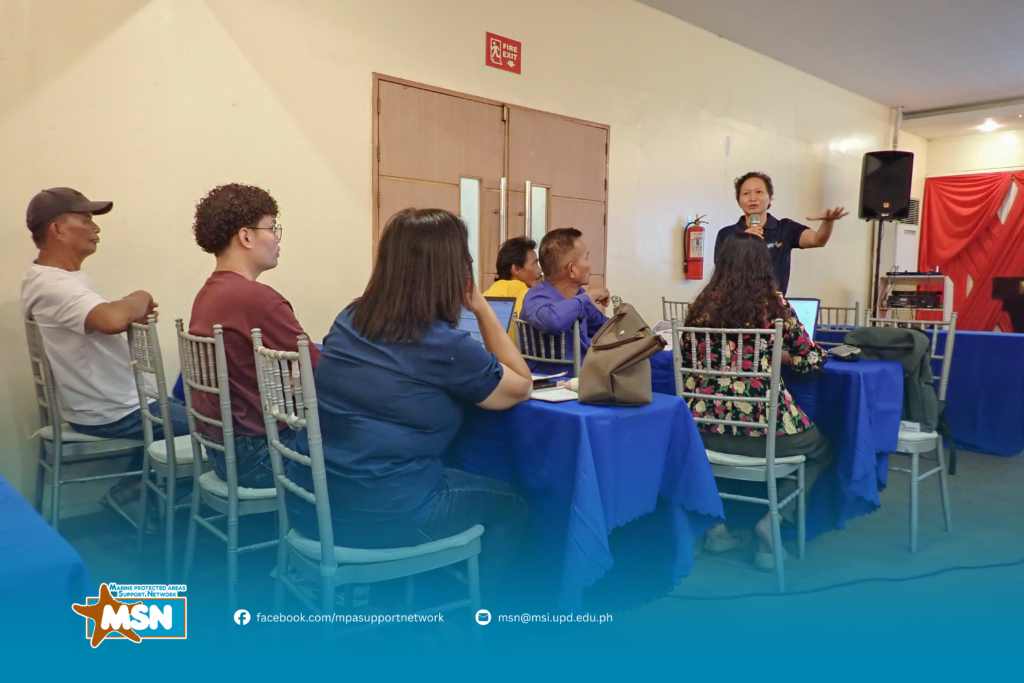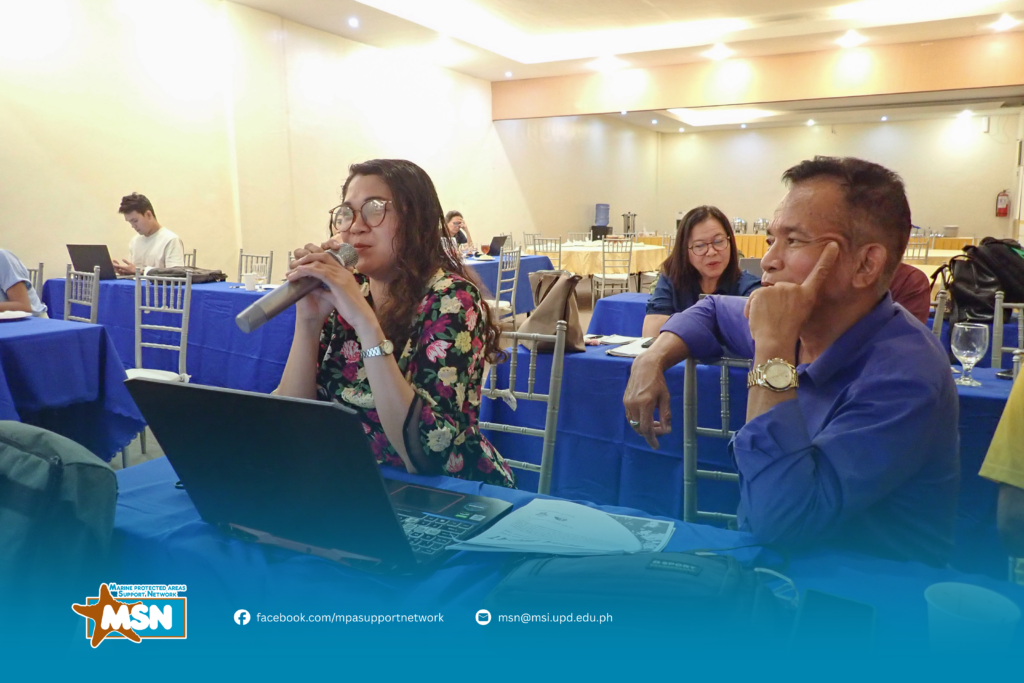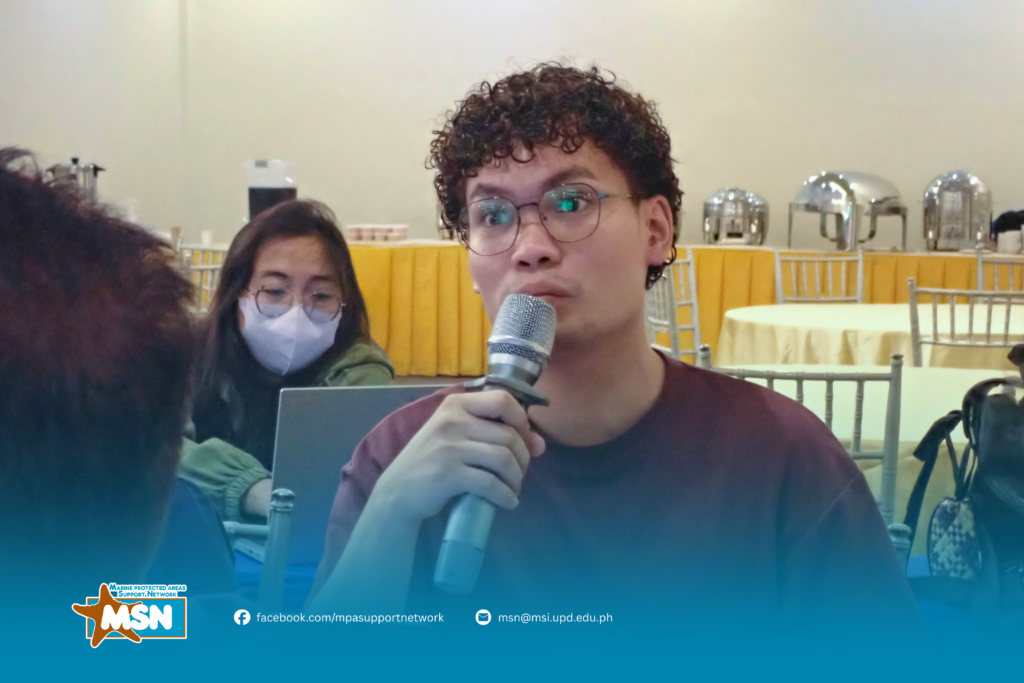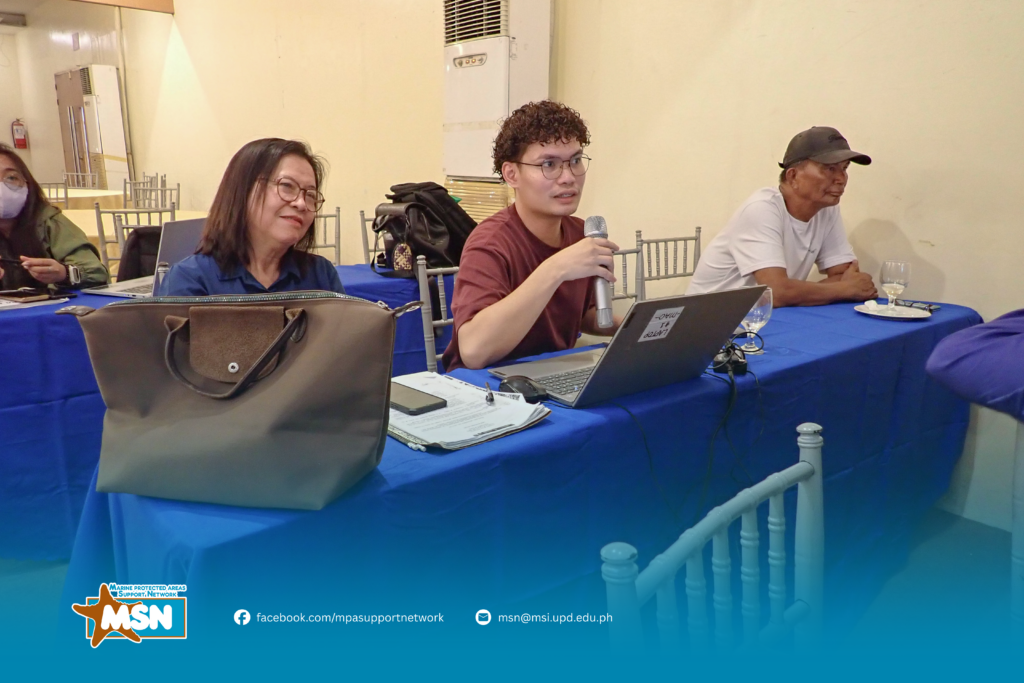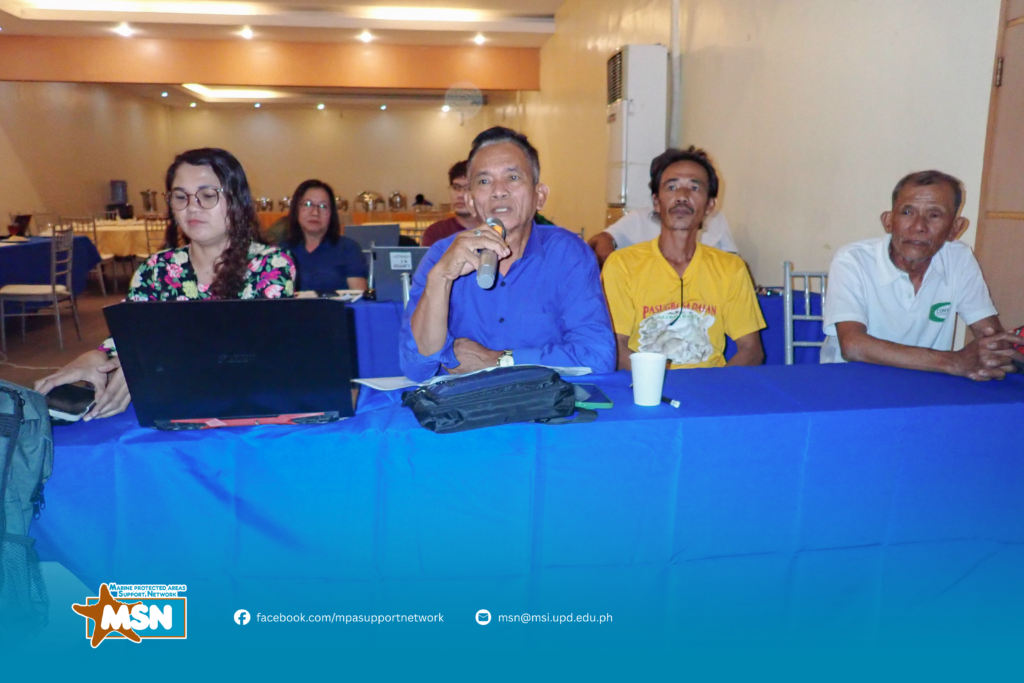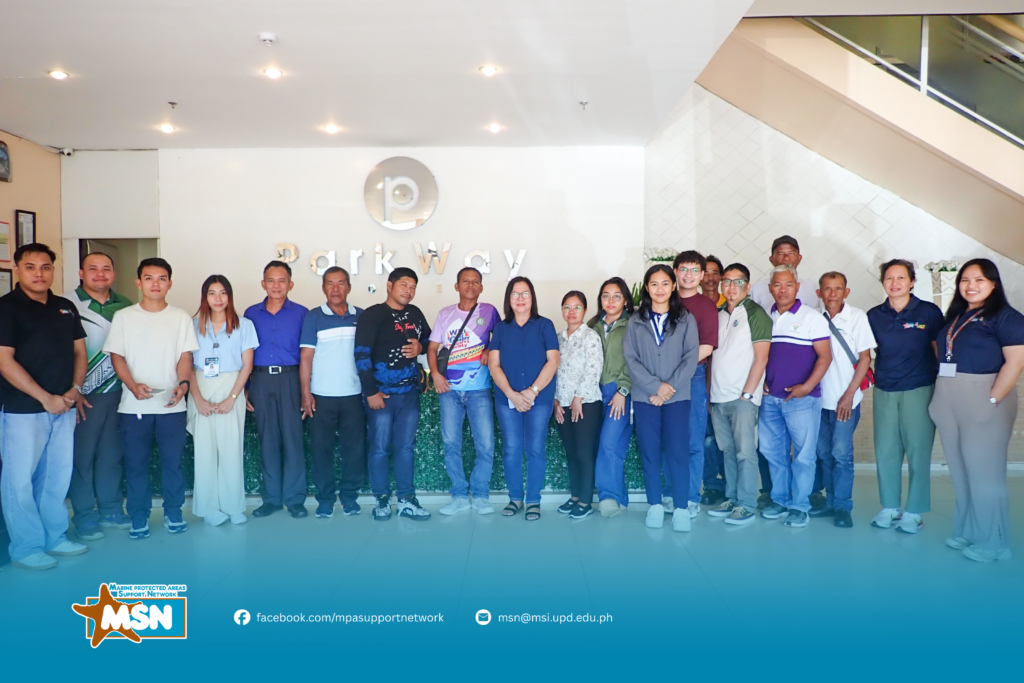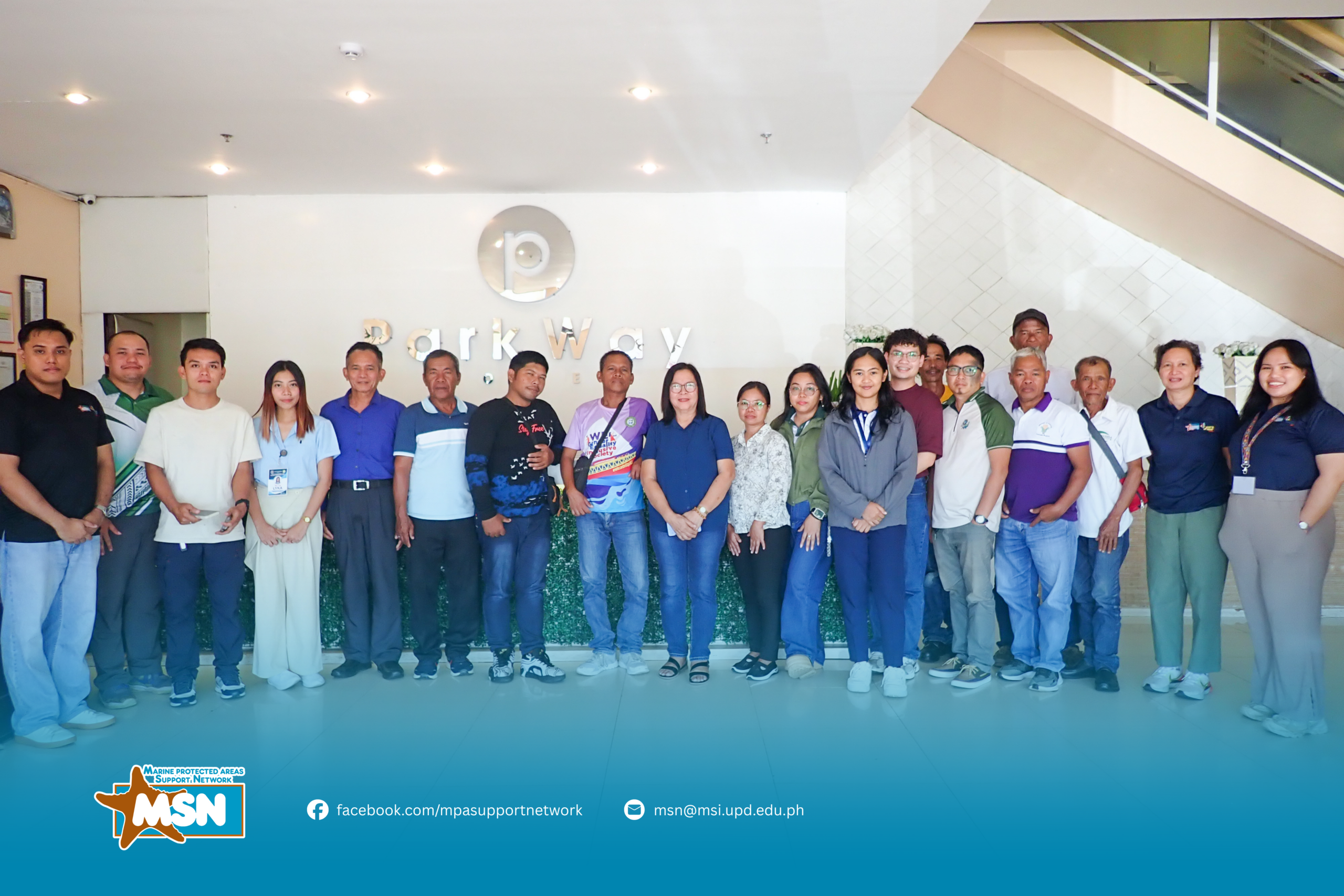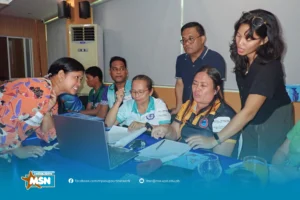
Surigao del Norte—An MPA Management Effectiveness Assessment Tool (MEAT) workshop for member LGUs of the Hinatuan Passage Development Alliance (HIPADA) was held at the Parkway Hotel in Surigao City on May 6, 2026.
The activity gathered 19 representatives from 8 member LGUs of HIPADA, namely the municipalities of Bacuag, Claver, Gigaquit, Taganaan, Placer, Malimono, San Francisco, and Surigao City, to assess Marine Protected Area (MPA) management performance.
The event was conducted as part of the Partnerships for the Philippine National Marine 30×30 Target implemented by a consortium of five MSN members (MERF, CI, Rare, Oceana, and WWF-Philippines).
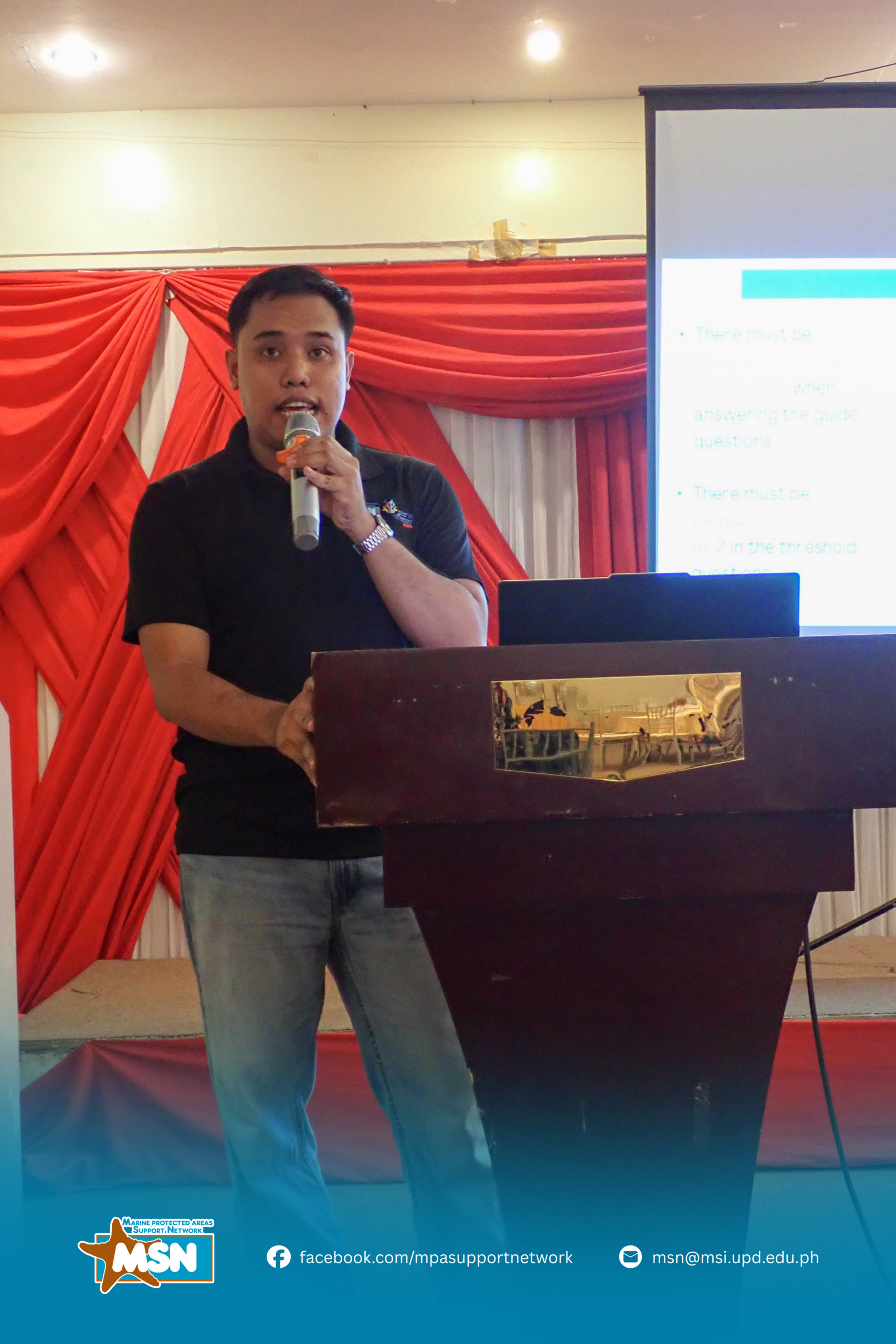
Sheila Albasin, Project Manager, introduced the MPA Support Network’s initiatives on MPA MEAT and NEAT workshops, including opportunities under the Para el MAR Awards. Participants were encouraged to strengthen MPA implementation and consider joining the 2027 Para el MAR.
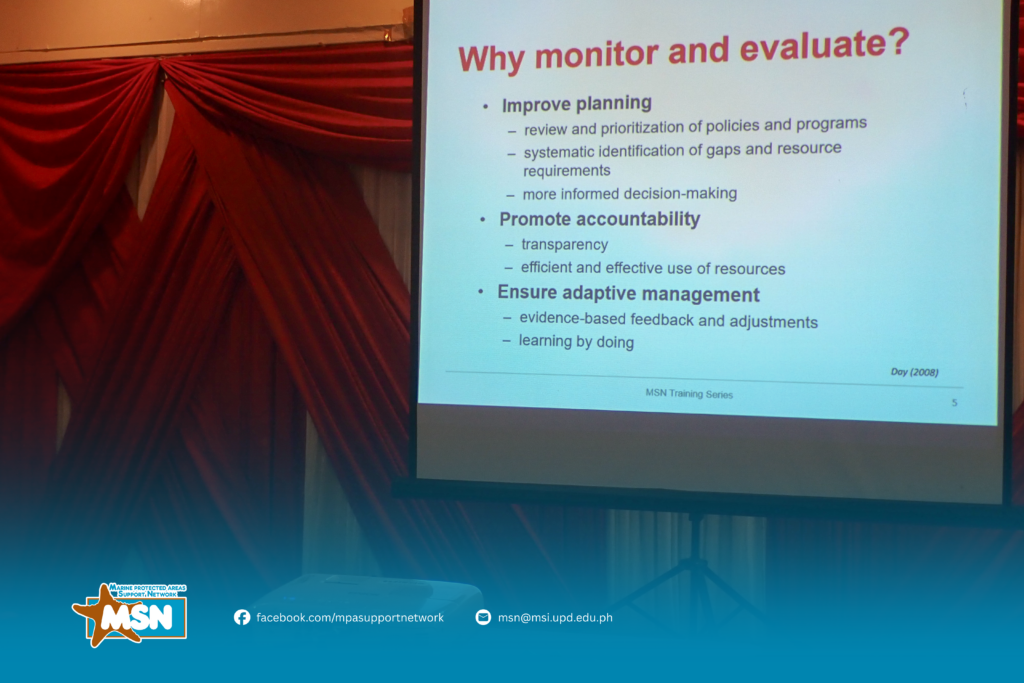
During the workshop proper, Technical Assistant, Jethro Carlo Quijano emphasized the importance of Monitoring and Evaluation (M&E) in adaptive management, noting that assessment findings help improve management plans and enforcement systems.
Representatives reported strong performance in Level 1 indicators, with several MPAs conducting regular biophysical monitoring in partnership with DENR and private sectors. However, some sites, including Surigao City, noted pending ordinances that affected their qualification from certain criteria despite ongoing implementation efforts.
On Enforcement and Monitoring
Municipalities such as Gigaquit and Placer highlighted partnerships with the PNP-Maritime Group that also benefited neighboring MPAs in joint apprehension efforts. Some LGUs, on the other hand, cited limited fuel budgets and rising fuel costs as challenges in sustaining regular patrol operations. Despite this, several municipalities continue to allocate funds for Bantay Dagat honoraria and maintain regular patrol schedules, including weekends.
The discussion also revealed challenges in documentation and data management as Gigaquit shared that logbooks were lost during Typhoon Odette (2021), resulting in information gaps. In response, MSN emphasized the importance of digitizing records and establishing databases to improve information management and long-term monitoring.
Participants likewise identified rough sea conditions and limited technical capacity as factors affecting recent monitoring activities. To mitigate these gaps, MPAs continue to share monitoring results and enforcement concerns through MFARMC and municipal development meetings, highlighting the importance of feedback mechanisms and inter-agency coordination.
On Sustainability Efforts
MPAs reported ongoing mangrove rehabilitation, giant clam propagation, and expansion of protected areas. Discussions also emphasized the need for financially sustainable MPAs through user fee systems and long-term partnerships. Several municipalities acknowledged continued support from provincial governments, mining companies, and external partners through MOAs and MOUs for biophysical monitoring, management planning, and Bantay Dagat operations.
The workshop also highlighted concerns with weak penalties for violations, which participants noted contribute to repeated offenses. Strengthening ordinances, enforcement systems, and institutional support were identified as important steps toward improving long-term MPA management effectiveness.
By Genea Rupert Claire (GRC)
Check out our FB post through this link: https://www.facebook.com/share/p/14cB8surpfS/
Photos| GRC, Jethro Carlo Quijano, Sheila Albasin