Danajon Bank is one of only six double barrier reefs in the world. It is also one of the most heavily fished marine areas in the Philippines, supporting hundreds of thousands of people whose lives depend on the sea. For years, declining fish catches and reef degradation seemed like an unstoppable tide.

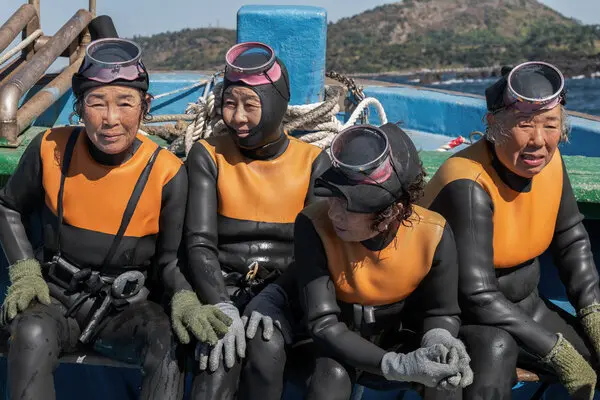
Enter the women of Danajon Bank. Organized into fishing cooperatives, these women — wives and daughters of fishers — began advocating for better marine protection. They attended barangay council meetings, lobbied for the establishment of marine sanctuaries, and created alternative livelihood programs that reduced fishing pressure.
“The men go out to sea, but we are the ones who hold the community together. If we want change, we have to lead it ourselves.”
Their governance model, which emphasizes participatory decision-making and transparent resource management, has become a benchmark for community-based marine conservation across the Visayas. Fish catches have stabilized, and young people are beginning to see a future in sustainable fishing rather than migration to cities.
The women’s cooperative now manages a seaweed farming operation that provides supplementary income for over 150 families, reducing dependence on extractive fishing. Their approach demonstrates that effective marine governance isn’t just about enforcement — it’s about empowerment.