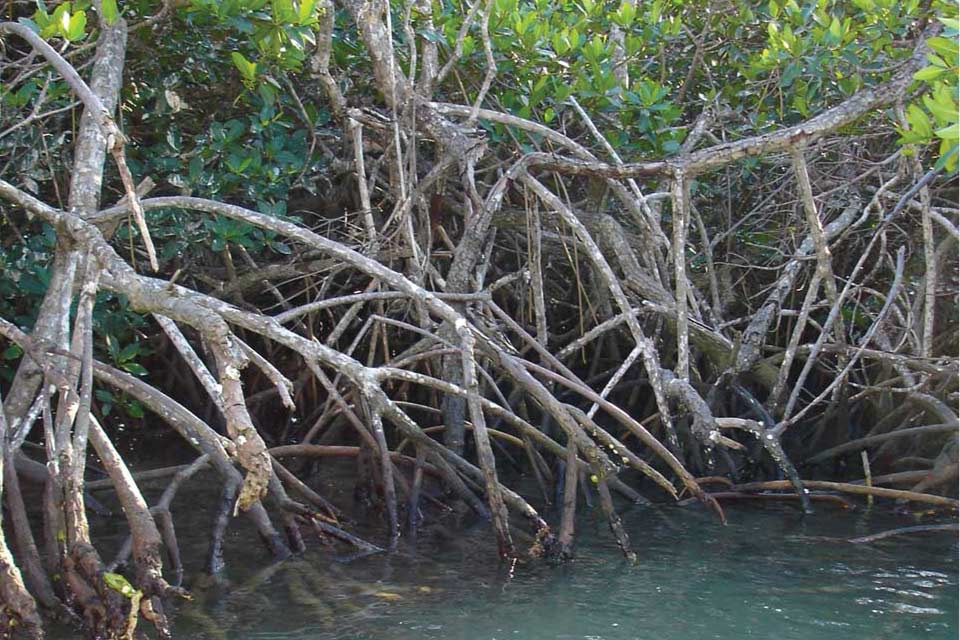
Along the northern coast of Panay Island, the mangrove forests that once lined the shore had been almost entirely converted to fishponds by the 1980s. The consequences were devastating — coastal erosion accelerated, fish nursery habitats disappeared, and communities became increasingly vulnerable to storm surges.
When Typhoon Haiyan’s outer bands struck in 2013, the unprotected coastline suffered severe damage. It was a wake-up call. Community leaders in the municipality began organizing mangrove restoration brigades, planting thousands of propagules in abandoned fishponds and along eroded shorelines.
“We cut down the mangroves thinking they were worthless. The typhoon taught us their true value — they are our first line of defense.”
Over a decade later, the restored mangrove forests cover over 200 hectares. Fish catches in adjacent waters have increased, bird species have returned, and the community has begun exploring blue carbon credits as a sustainable financing mechanism for continued conservation.
The project now includes an educational component, with local schools incorporating mangrove ecology into their curriculum. Children who once saw mangroves as muddy wastelands now understand them as vital ecosystems — a generational shift in perspective that promises lasting protection.